Storage Units That Stay Dry During Monsoon Season
Storage Units That Stay Dry During Monsoon Season
Blog Article
Storage Units give homeowners and businesses a secure place to keep furniture, documents, vehicles, and seasonal equipment when space runs short. A well-run facility protects items from moisture, theft, and temperature swings while allowing quick access when needed. Choosing the right location and unit size prevents wasted money and last-minute moves. Background is on this page. Alma residents oftenfrequently discover that local options range from small drive-up lockers to climate-controlled warehouses. Prices vary by square footage, security features, and whether the unit sits indoors or outside. Before signing a contract, compare gate hours, insurance requirements, and move-in fees so the final bill stays predictable. The write-up is see the page. One resource that lists current rates and floor plans for the area is, where photos and availability can be checked without leaving home. Background is on the full website. Drive-up units sit at ground level so a vehicle can back right to the door, making them practical for furniture or lawn equipment. Interior units stay inside a locked building and usuallytypically offer climate control that keeps documents and electronics from warping. Vehicle storage spaces accommodate cars, boats, or RVs with wider doors and higher ceilings. Some facilities also rent small lockers for boxes or files when a full unit is unnecessary. Alma’s climate includes hot summers and occasional winter freezes, so insulation and ventilation matter. LED floodlights and motion cameras cover every aisle, while individual unit alarms notify staff if a door opens without authorization. Some sites add on-site managers who live nearby and perform nightly lock checks. Before committing, walk through at differentdistinct times of day to judge lighting and noise from neighboring units. Entry gates that require a personal code or app-based key limit after-hours traffic. LED floodlights and motion cameras cover every aisle, while individual unit alarms notify staff if a door opens without authorization. Some sites add on-site managers who live nearby and perform nightly lock checks. Insurance options range from the facility’s blanket policy to third-party coverage that follows the renter’s belongings even after they leave storage. Rental rates are driven mainly by the square footage of each unit; a 5×5 locker can cost thirty-five dollars per month, while a 10×15 space frequently runs between ninety and one-hundred-twenty dollars. A 5×5 locker might run thirty-five dollars monthly, while a 10×15 unit oftenfrequently lands between ninety and one-hundred-twenty dollars. Climate control adds roughly twenty percent. Longer rental terms, such as six or twelve months, frequently drop the rate by five to ten percent. Deposits equal one month’s rent in many cases, though some waive it during slow seasons. Other charges include lock purchases, optional insurance, and penalties for late payments. It is important to ask whether the advertised figure already factors in sales tax; in Arkansas, a six-and-a-half-percent levy can surprise new customers. Payment systems that accept credit cards without added processing fees help keep the total predictable. Always obtain a written breakdown of every fee so no unexpected charges appear after the first month. Begin by measuring the largest items that need storage. A queen bed and dresser typically fit in a 5×10, while an entire household may require a 10×20 or larger. Visit at least three facilities and compare gate hours, camera placement, and ease of parking. Read the contract for rules on what cannot be stored—most sites ban fuel, paint, and live animals. Finally, photograph the unit and note any existing damage before the first item enters. Online reviews reveal patterns that brochures miss. Look for repeated mentions of broken gates, poor lighting, or surprise rate hikes. Call the facility and ask how quickly staff respond to after-hours lockouts; slow replies indicate thin coverage. When everything checks out, sign only after the manager walks the unit with you and initials the condition report. Place rarely used boxes at the back and create a center aisle wide enough for a hand truck; this layout prevents restacking every time something is retrieved.Types of Storage Units Available in Alma
Security Standards That Matter
Breaking Down the Price Structure of Storage Rentals
Selecting the Right Facility and Spotting Red Flags
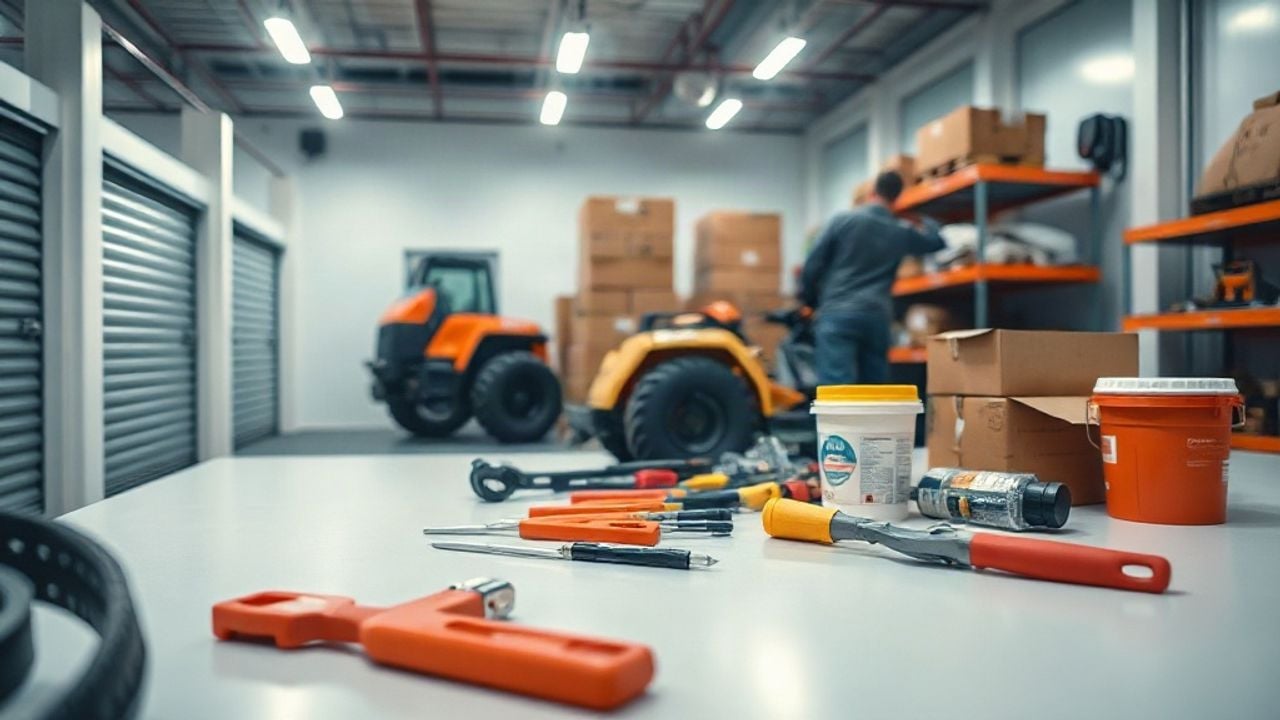 Storage UnitsSecure Storage Units in Alma AR
Practical Tips That Keep Costs and Headaches Low
Storage Units
Common Questions About Storage Units Answered
What exactly are Storage Units and how do they work
Storage Units are secure, rentable spaces—ranging from lockers to full-size rooms—where individuals and businesses keep belongings they do not need daily. The units sit inside fenced facilities that control access through gates, cameras, and sometimes on-site staff, allowing owners to retrieve items whenever the office is open.
What steps help me pick the right Storage Units company
Compare at least three facilities by measuring your largest items, requesting itemized quotes, and visiting during the hours you plan to use the unit. Check gate technology, lighting, and contract terms for rate increases or banned items before signing.
How much does Storage Units cost
Prices start around thirty-five dollars for a 5×5 locker and rise to one-hundred-twenty dollars or more for a 10×15 climate-controlled space. Expect deposits, taxes, and optional insurance; longer rental terms and off-peak seasons oftenfrequently reduce the monthly rate by five to ten percent.
Is after-hours access available at most Storage Units facilities
Many Alma facilities install coded gates that stay open from 6 a.m. to 10 p.m. daily, but confirm exact hours in writing. Some sites charge extra for 24-hour codes, while others restrict access to daylight hours only.
What items are not allowed inside Storage Units
Facilities prohibit gasoline, propane, paints, ammunition, and any living plants or animals. The ban protects neighboring renters from fire, fumes, and pests that could spread through the building.
Is extra insurance necessary for goods kept in Storage Units
Homeowners policies sometimes cover stored goods, but many require separate riders once items leave the residence. Facility plans cost about ten dollars monthly and pay out for theft or water damage up to stated limits.
Video
Choosing the right storage units means measuring belongings before you move them in and comparing written quotes from several providers. Photographs of the empty space and a detailed inventory protect both budget and belongings for the entire rental period.
Review the contract each year for automatic price jumps and adjust coverage as stored items change, keeping long-term costs predictable without last-minute surprises.